Training & Development
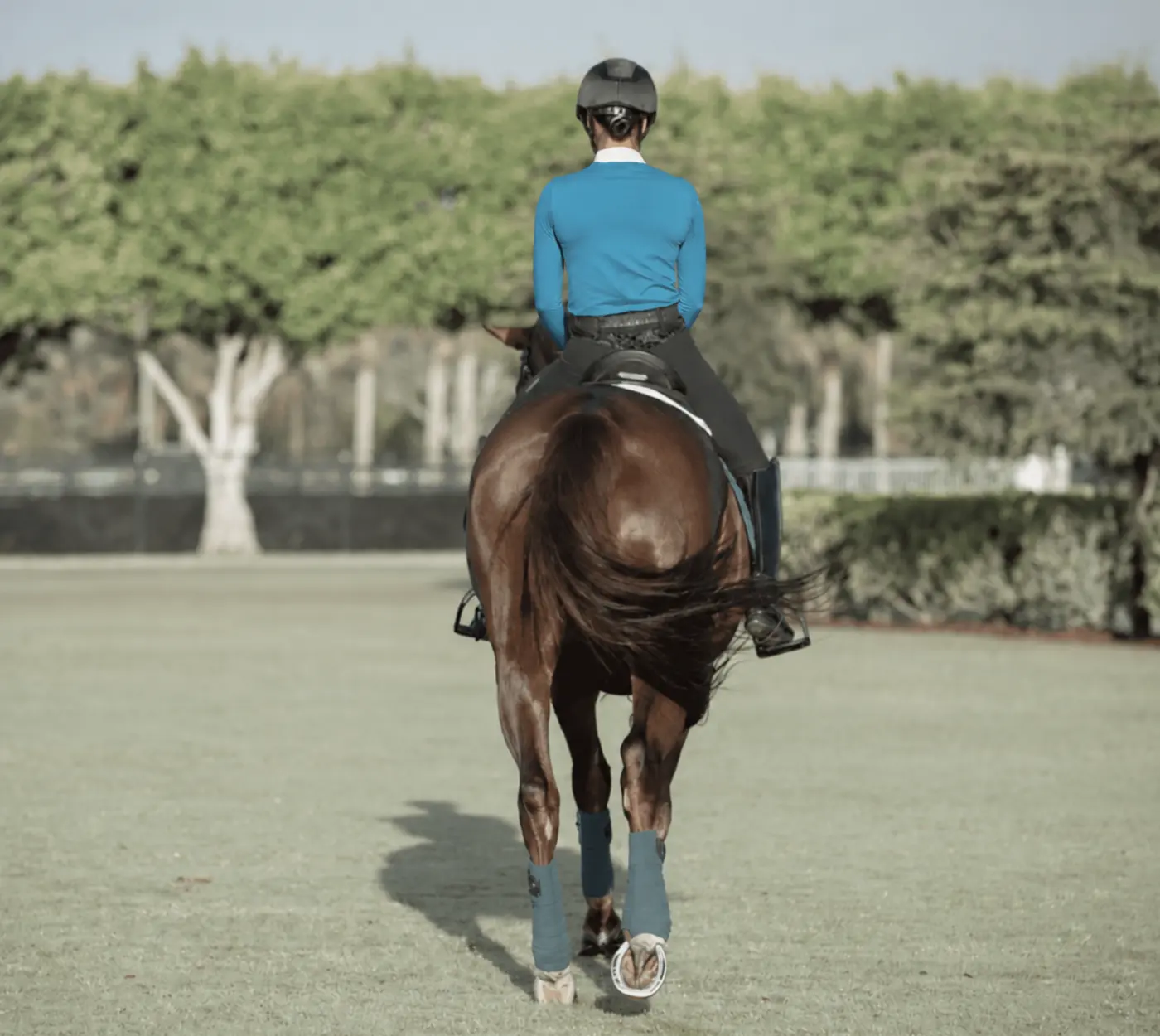
What a well-ridden warm-up should accomplish
A thoughtful warm-up prepares the horse’s body and attention for the work ahead. Learn what to look for without drilling or chasing a predetermined frame.

INSIGHTS FROM SEVEN HILLS
Ideas and observations on dressage, biomechanics, rehabilitation, and the work of helping horses move with greater balance and comfort.
THE LIBRARY
9 articles
Training & Development
A thoughtful warm-up prepares the horse’s body and attention for the work ahead. Learn what to look for without drilling or chasing a predetermined frame.
Training & Development
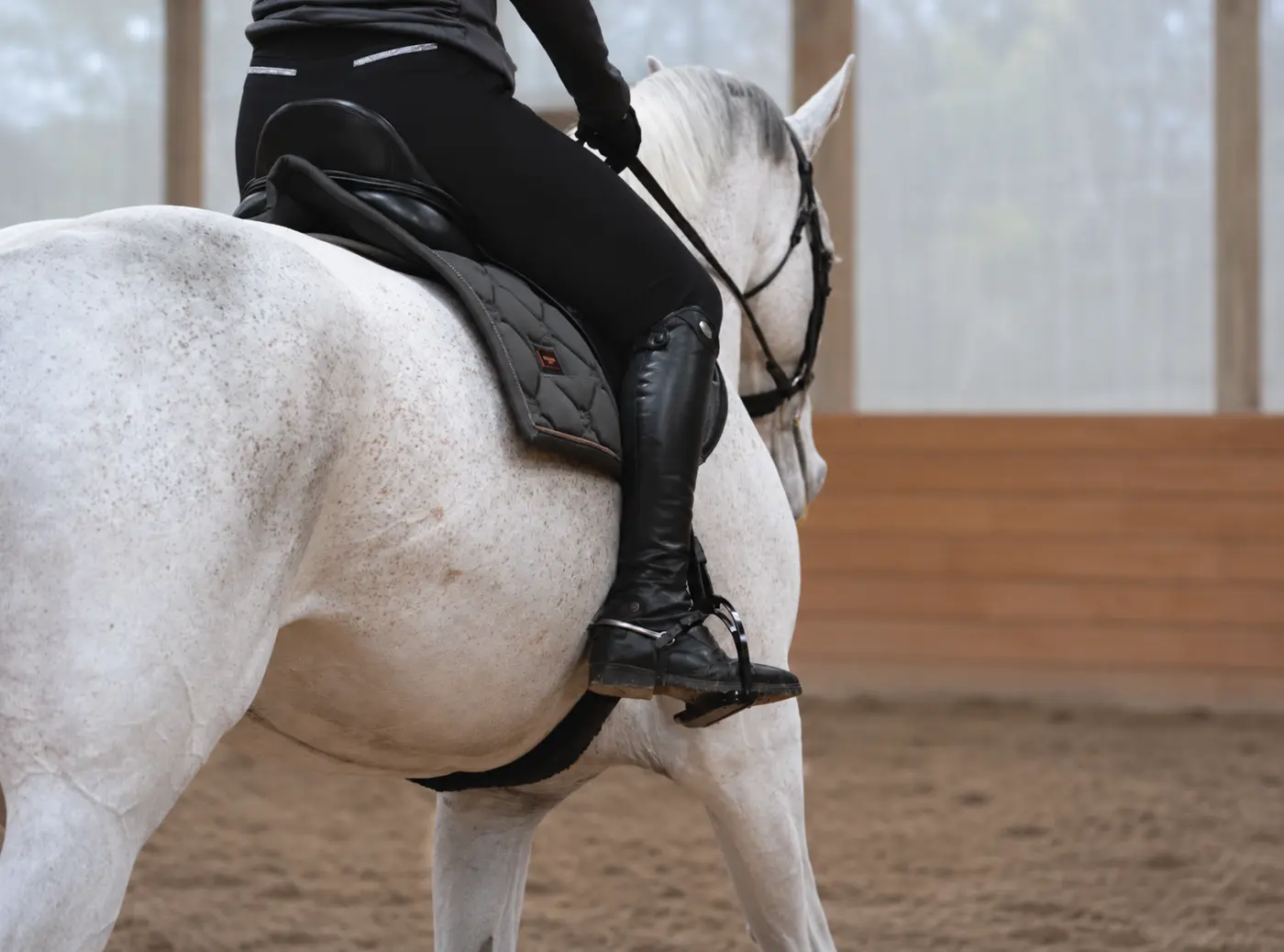
Repetition builds coordination only while the horse can understand and organize the task. Learn when another try is useful and when it is time to change the exercise.
Training & Development
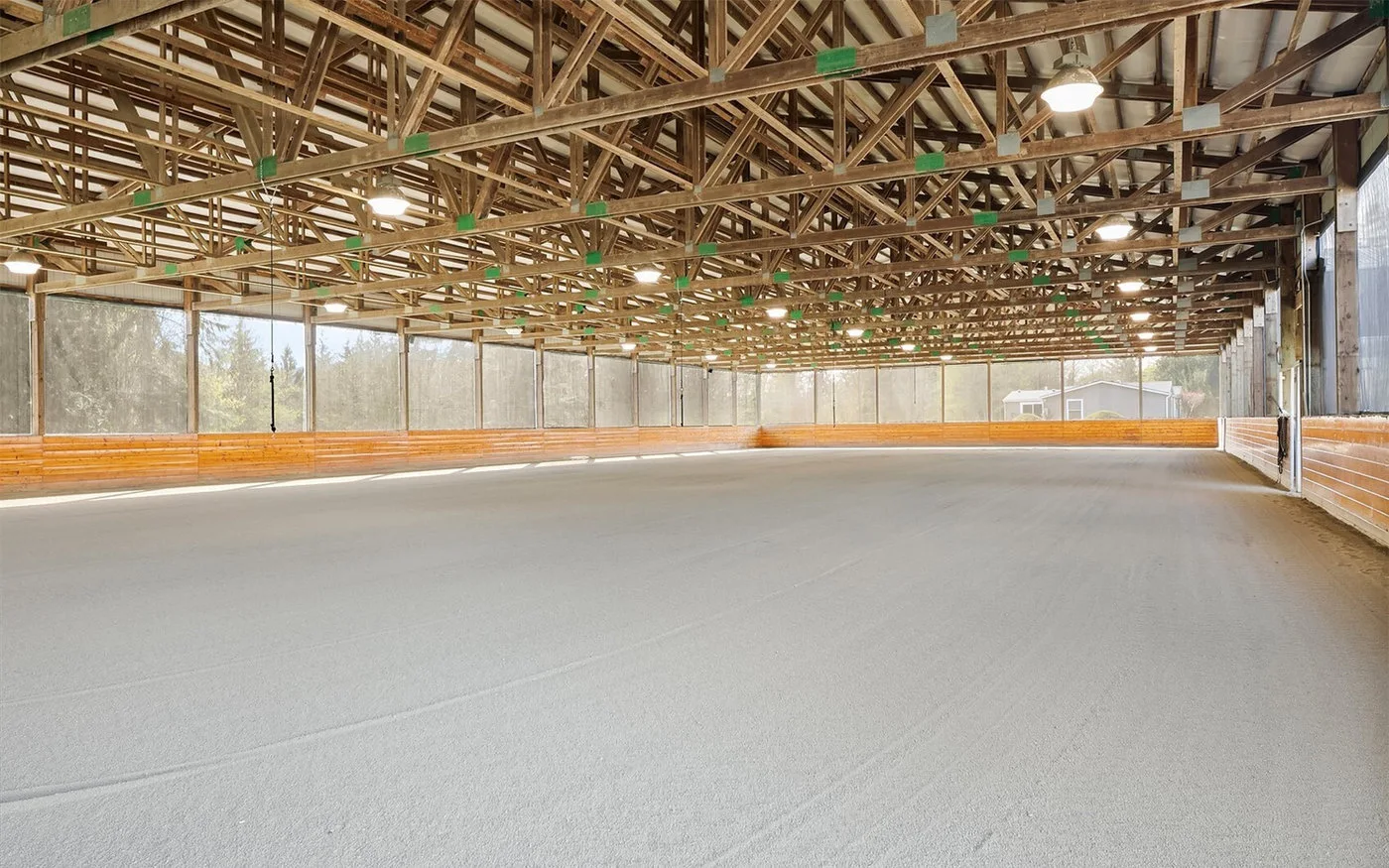
A calm, private training environment can improve attention, confidence, and learning, especially for sensitive horses and riders rebuilding trust.
Training & Development
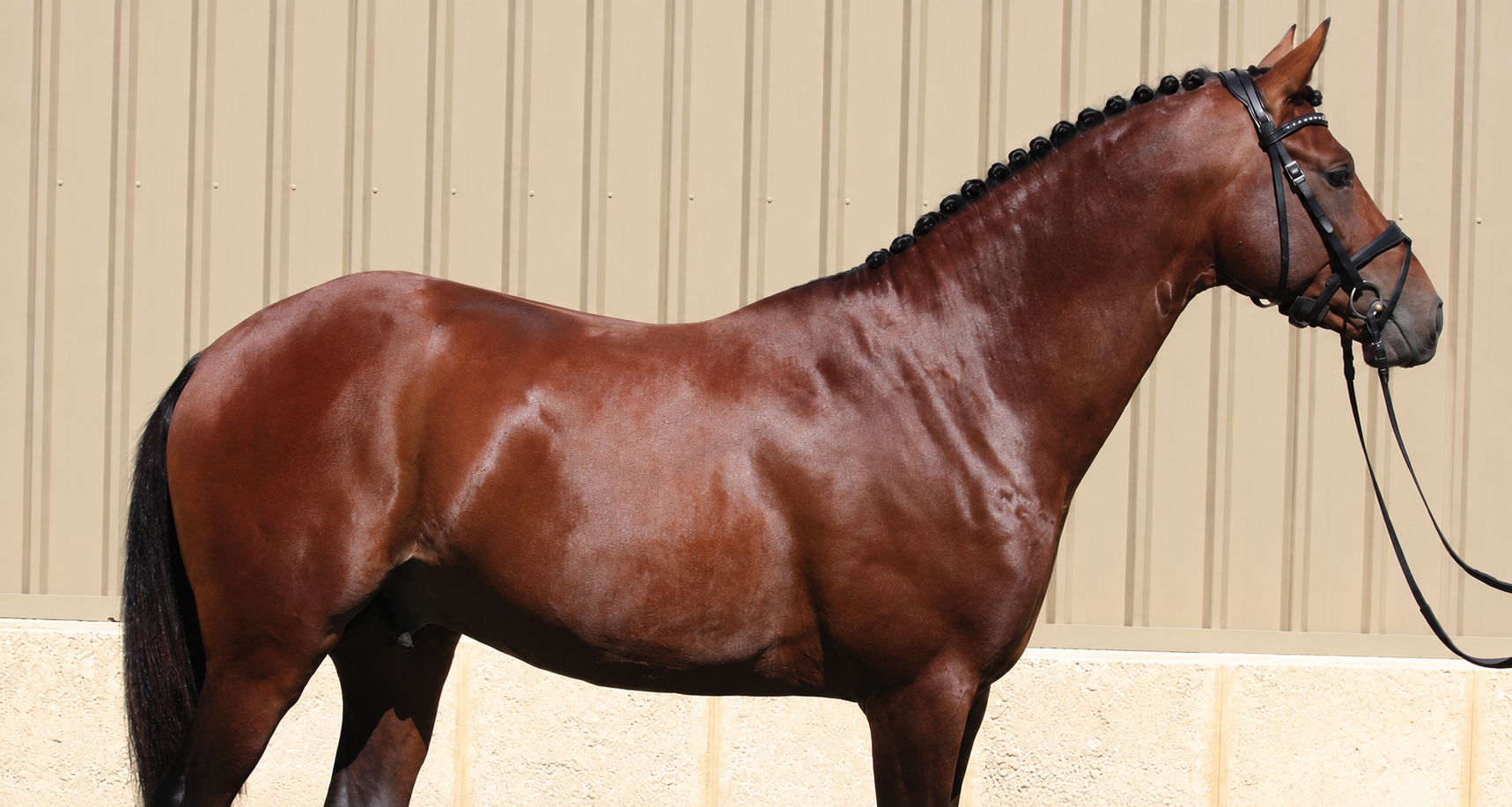
Learn how balanced movement, postural strength, and progressive gymnastic work develop a horse’s topline.
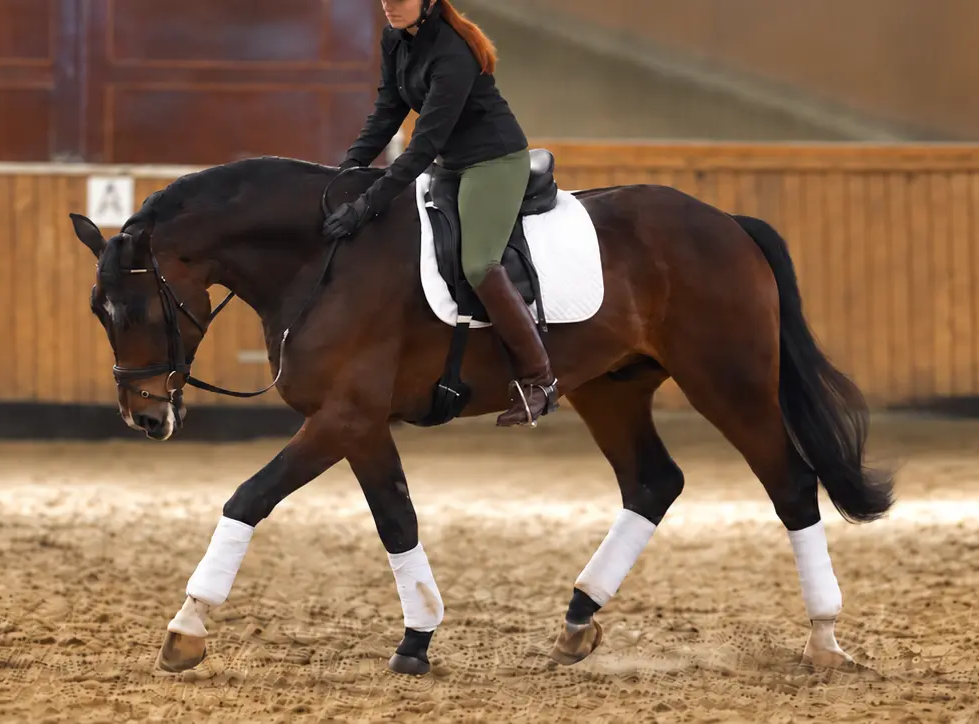
Training & Development
In dressage, connection is one of the most frequently discussed concepts, yet it remains widely misunderstood. Adult amateur riders are often told to hold a firmer rein, drive the horse forward into a…
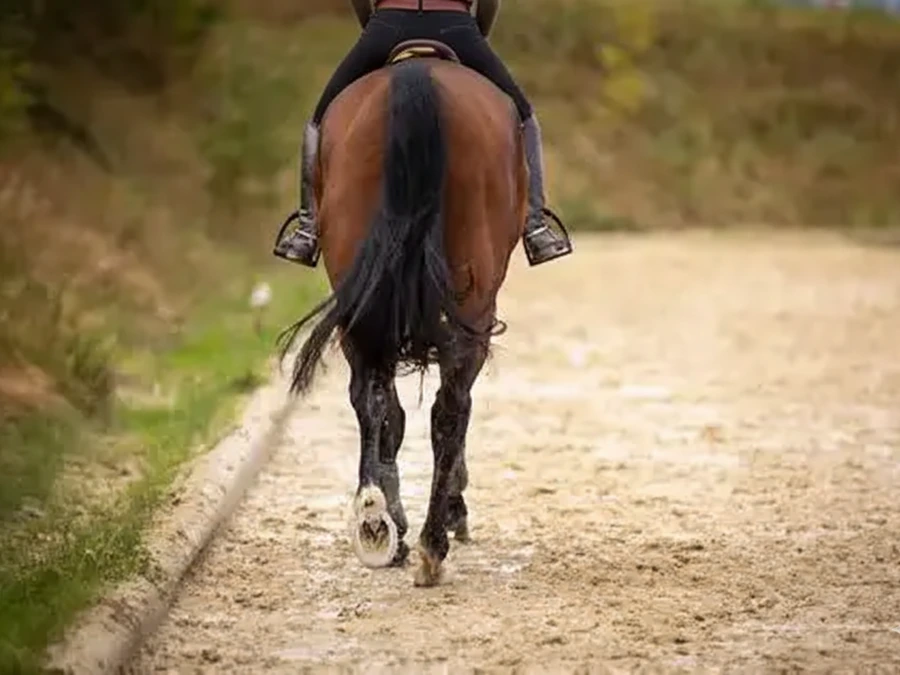
Training & Development
Training built for long-term soundness prioritizes how a horse uses their body over time, not just what they can produce in the moment. By focusing on balance, coordination, and progressive development, this approach supports movement that remains comfortable, consistent, and sustainable throughout a horse’s training career.
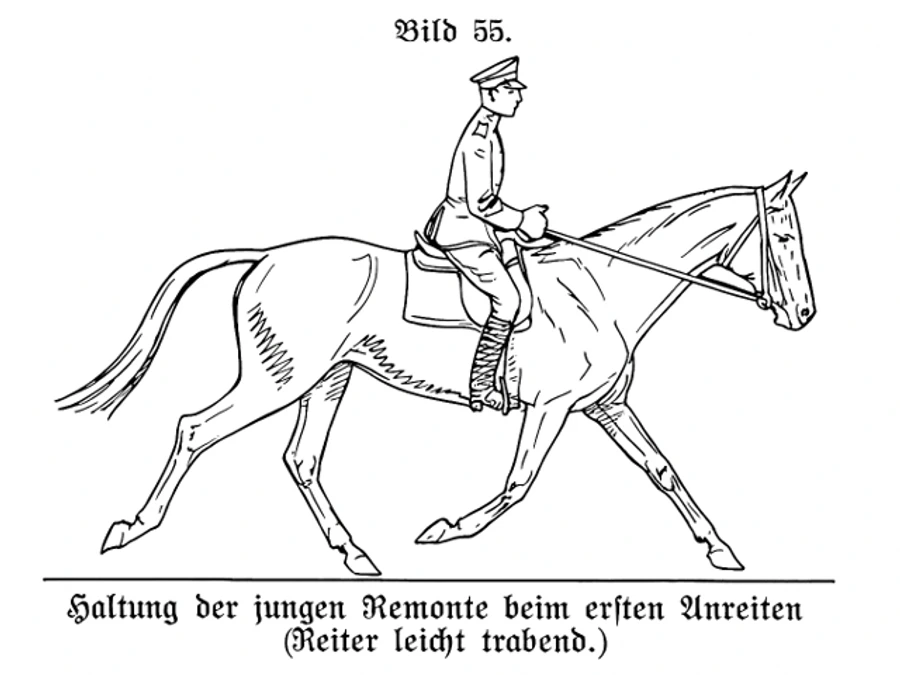
Training & Development
Good training should make a horse stronger, sounder, and happier—not just more obedient. At Seven Hills Training, I combine classical principles, the H.Dv. 12 system, and modern biomechanics to develop horses that move freely, stay comfortable, and build strength and confidence through correct, thoughtful work.
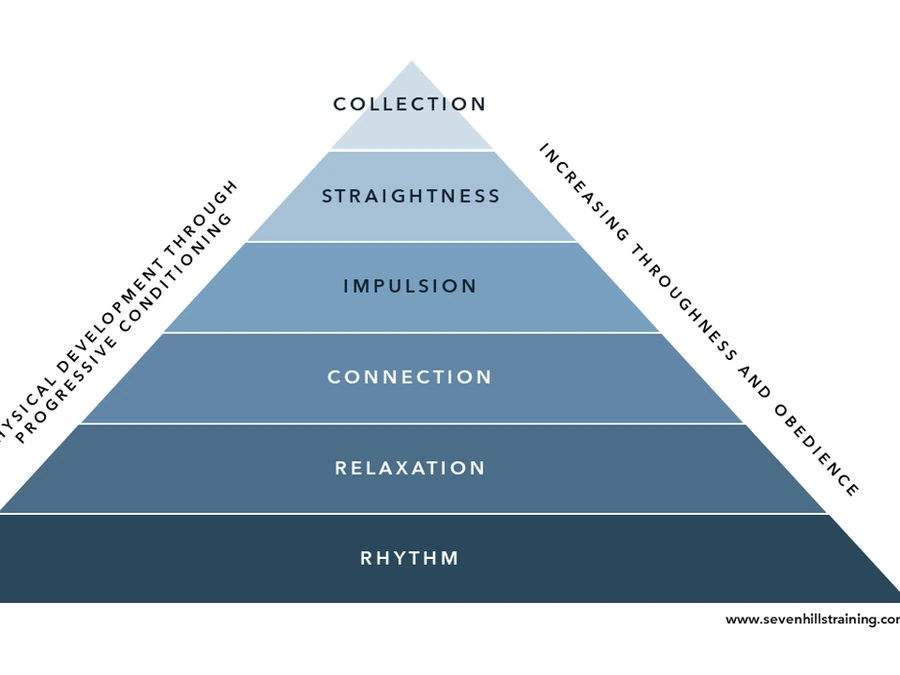
Training & Development
The synergy between classical dressage and modern horsemanship creates a powerful framework for training that honors both tradition and innovation. By blending centuries-old principles with behavioral science, trainers can deepen communication, improve performance, and support horse welfare through balance, empathy, and partnership.
Training & Development
Modern horsemanship is evolving. By applying learning theory, riders can reduce tension, improve communication, and promote welfare in every training session.